

Walking into a conversation about wine can sometimes feel like trying to learn a whole new language. You hear words like "tannins," "dry," or "legs," and wonder what they actually mean for your palate.
The good news? Wine language isn’t complicated once you swap the technical jargon for everyday food terms. Here is a simple, no-nonsense guide to help you understand the basics without feeling overwhelmed.
1. "Dry" vs. "Sweet"
The Jargon: "This is a bone-dry white."
The Simple Terms: This is the most common wine term, but it doesn't mean the liquid physically dries out your mouth. In wine speak, "Dry" simply means "not sweet."
Easy Comparison: Think of the difference between plain sparkling water (Dry) and a glass of lemonade (Sweet). If a wine has no leftover grape sugar, it is called dry.
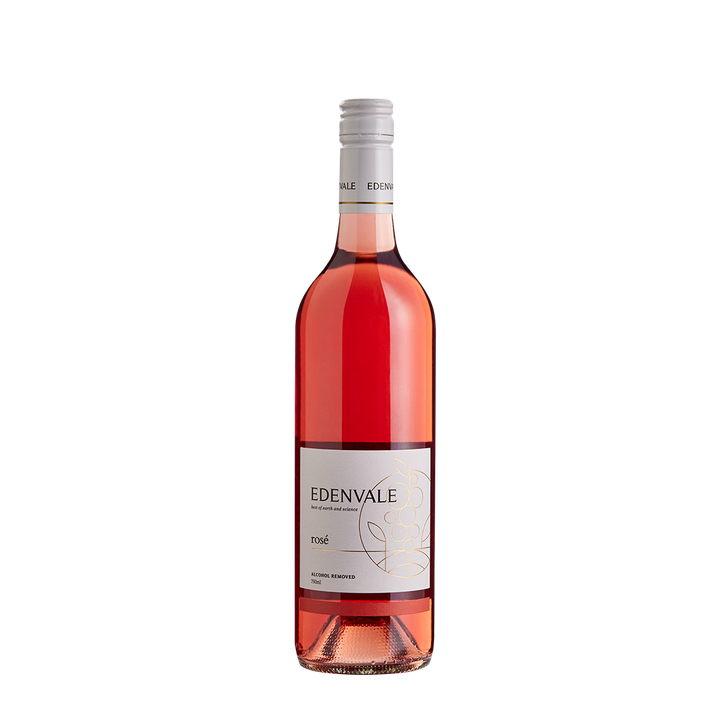
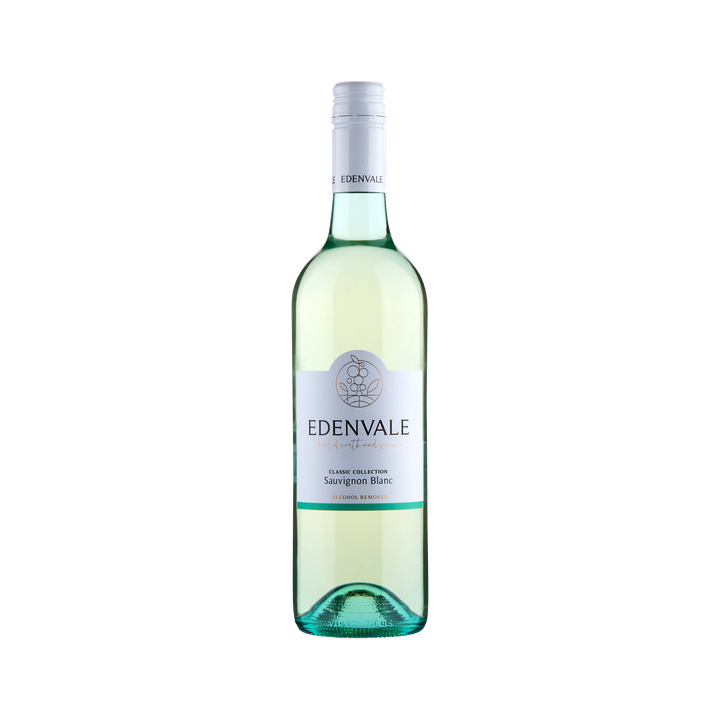
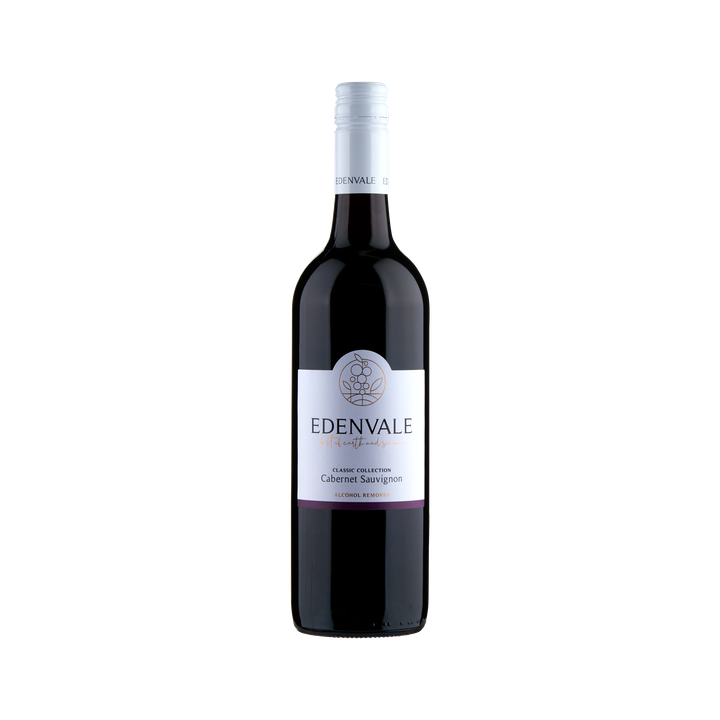
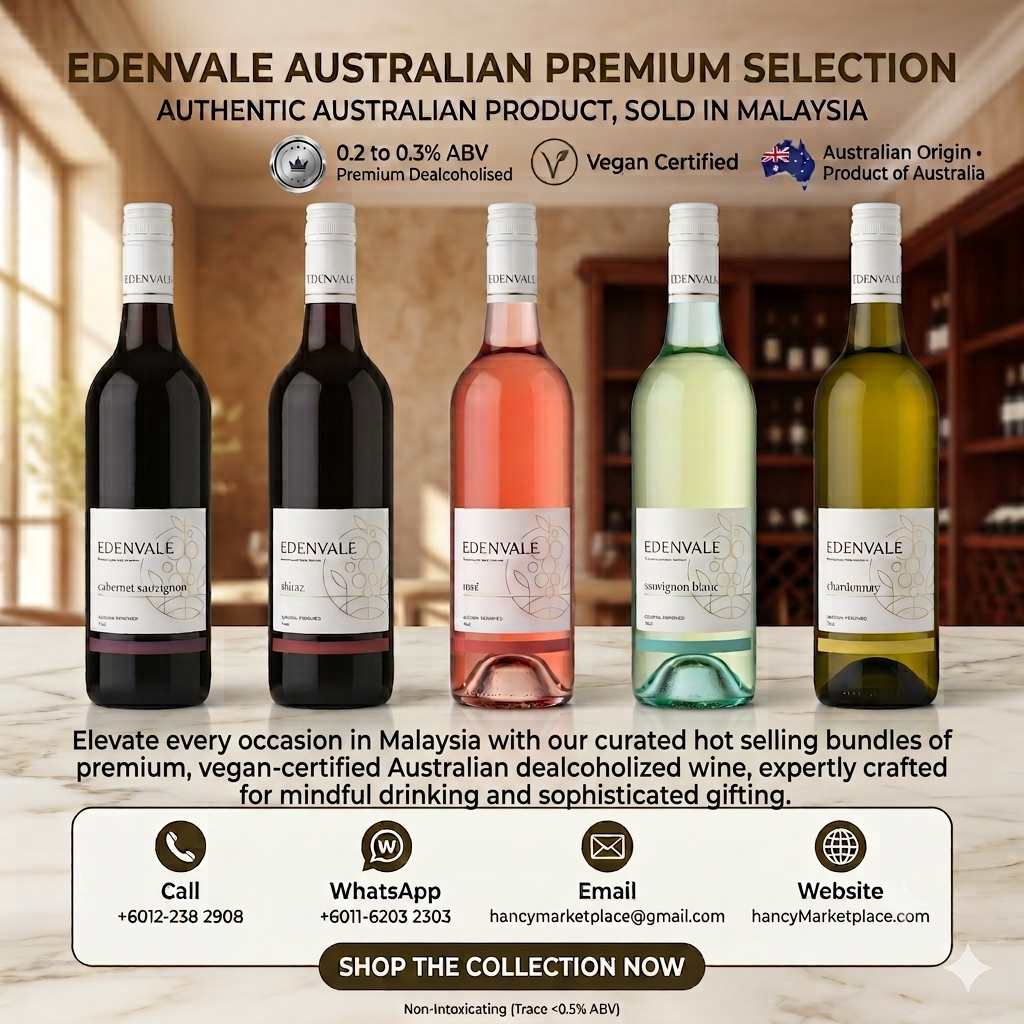
Edenvale Example: Our Sauvignon Blanc is crisp and dry, while our Rosé leans into a fruitier, slightly softer profile.
2. "Body" (Light, Medium, or Full)
The Jargon: "I prefer a full-bodied red."
The Simple Terms: "Body" describes how heavy or thick the liquid feels physically inside your mouth.
Easy Comparison:
Light-bodied: Feels like drinking water or skim milk (light and effortless).
Medium-bodied: Feels like drinking whole milk or orange juice.
Full-bodied: Feels rich and coating, like drinking a thick mango smoothie or heavy cream.
Edenvale Example: If you want something light, pick the Sauvignon Blanc. If you want that rich, heavy feeling, pour a glass of the Cabernet Sauvignon.
3. "Tannins"
The Jargon: "The tannins in this Cabernet are quite firm."
The Simple Terms: Tannins are natural compounds found in grape skins. They don't give a flavor; instead, they create a physical, drying texture on your tongue and gums.
Easy Comparison: Imagine steeping a bag of plain black tea in hot water for way too long, then taking a sip. That fuzzy, slightly bitter, sandpaper-like dryness on your tongue is exactly what tannins feel like. It gives red wine its "grip."
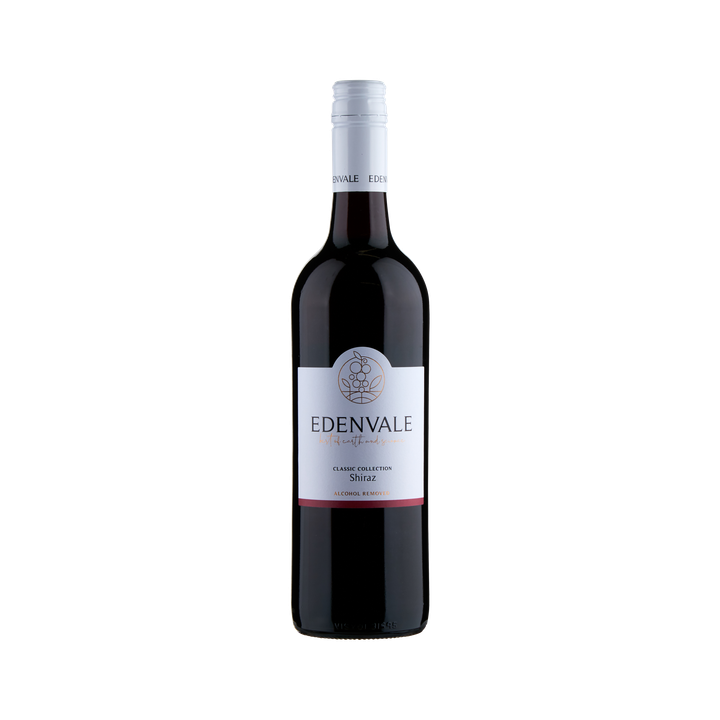
Edenvale Example: Our Shiraz and Cabernet Sauvignon have those beautiful, structural tannins that make them feel substantial and perfect for pairing with a savory dinner.
4. "Acidity"
The Jargon: "Look at the crisp acidity in this glass."
The Simple Terms: Acidity is the sharpness, crispness, or "zing" in a drink. It is what makes your mouth water and keeps a drink tasting lively rather than flat or sugary.
Easy Comparison: Think of the refreshing splash of fresh lime juice over a dish or biting into a crunchy green apple. That instant, mouth-watering tingle on the sides of your jaw is acidity.
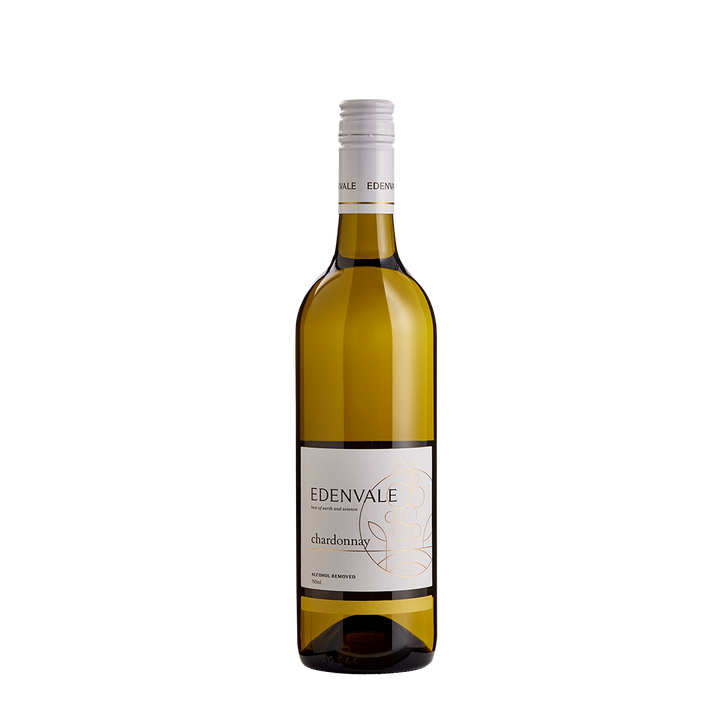
Edenvale Example: Our Chardonnay has a smooth, balanced acidity, while the Sauvignon Blanc gives you that bright, zesty tingle.
5. "The Finish"
The Jargon: "This wine has a beautifully long finish."
The Simple Terms: The finish is simply the after-taste. It measures how long the pleasant flavors stay in your mouth after you have swallowed the drink.
Easy Comparison: If you eat a piece of premium dark chocolate, the flavor lingers on your tongue for a minute afterward (a long finish). If you drink a sip of plain water, the flavor is gone instantly (a short finish).
Your Quick Jargon Cheat Sheet:
Dry = Not sweet at all.
Body = How heavy the liquid feels (Skim milk vs. Whole milk).
Tannins = The drying feeling on your tongue (Like over-steeped black tea).
Acidity = The mouth-watering "zing" (Like fresh lime or green apple).
Finish = How long the after-taste lasts.
Understanding these five simple concepts is all you need to confidently choose the right bottle for your palate or your next dinner party.
Ready to test your new knowledge? Browse the full Australian alcohol-free range at hancymarketplace.com and find the exact texture and flavour that fits your lifestyle.